Promote product launches, funding news, and innovations in 75+ countries by reaching top tech journalists and global publications.
Drive international attention to destinations, campaigns, and services by distributing news to relevant travel and lifestyle media worldwide.
Increase visibility of new products, campaigns, and brand stories by connecting with influential retail and consumer-focused media outlets.
Strengthen your crypto brand’s credibility through targeted PR in tech, finance, and blockchain media across global markets.
Expand your agency’s services with global PR distribution in 75+ countries, featuring guaranteed coverage, localized press releases, and white-label reporting for your clients.
A Go-To-Market (GTM) strategy explains how a product or service enters the market and reaches its intended customers. It defines who the offering is for, how it is positioned, and which channels are used to drive adoption.
A well-structured Go-To-Market strategy reduces uncertainty, aligns internal teams, and increases the likelihood of a successful market entry. A comprehensive Go-To-Market plan also integrates communication and media as core elements. A strong media strategy does more than generate visibility; it builds market credibility and maximizes the impact of strategic messaging.
How Media and Communication Shape a Go-To-Market Strategy
Media and communication act as the bridge between a product’s technical readiness and its market acceptance. A Go-To-Market strategy without a structured communication plan often struggles to translate its value proposition into customer trust. Strategic communication ensures that the brand’s narrative reaches the right audience at the right time through credible channels.
Effective media engagement does more than announce a launch, it shapes market perception and validates product positioning. By integrating press releases and global media outreach from the beginning, companies can control the narrative and establish authority. This alignment between communication and strategy reduces market friction and accelerates adoption.
One practical way to ensure your key announcements are heard and validated by journalists is through press release distribution, a method that amplifies your launch across relevant media channels and builds credibility at scale.
Strategic Messaging and Market Dynamics
A Go-To-Market communication strategy must align its narrative with real market dynamics.
McKinsey’s research highlights the growing need for updated go-to-market approaches in response to digital advancements and changing consumer expectations. It emphasizes that direct sales and clear value communication offer greater control over market positioning.
Communicating the price–value relationship clearly through authoritative media channels can become a decisive competitive advantage.
To further refine your strategic growth, tracking your brand’s position within marketing models is essential. By exploring our guide, What Is the BCG Matrix and How Is It Used?, you can discover insights that strengthen your communication efforts.
How to Build an Effective Go-To-Market Communication Strategy
Developing a successful communication strategy requires more than broadcasting a message; it involves creating a roadmap tailored to market dynamics. This process begins with a deep analysis of the market and objectives before the brand’s voice is heard.
The following core steps are taken when building a strategic communication plan:
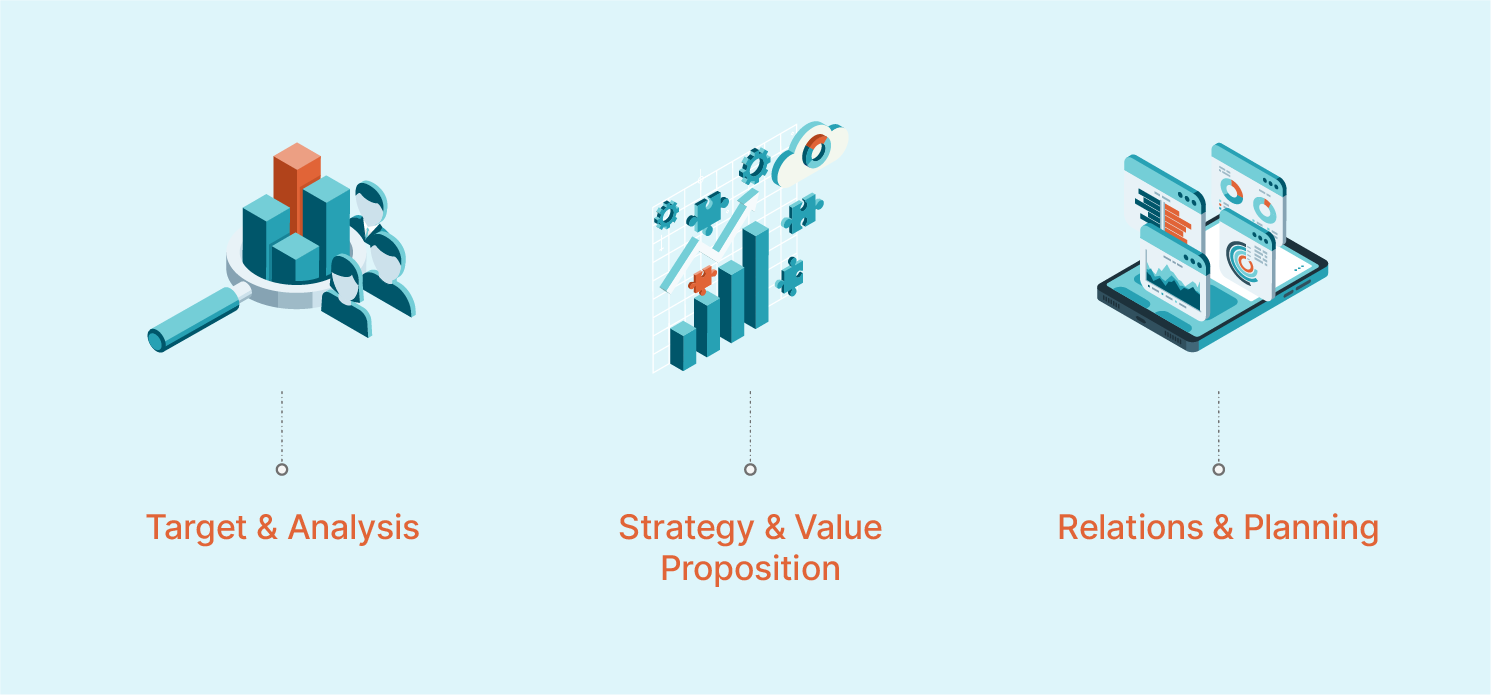
Target Audience and Media Consumption Analysis
The first step is determining who the message is intended for. However, demographic data alone is not enough; it is essential to identify which media channels the audience trusts and where they source their information.
A strong message placed in the wrong channel will remain ineffective.
Strategic Messaging and Value Proposition Design
Core messages translate technical product features into tangible customer benefits. These messages can be adapted for various media formats (press releases, social media, white papers) while maintaining the brand’s core promise and building consistent authority.
Media Relations and Distribution Planning
Planning which news outlets and journalists to involve during the launch phase is crucial. So choosing the right press release distribution packages lets you customize reach, language, and coverage for your target markets.
The Role of Communication and Media in a Go-To-Market Strategy
Communication transforms a Go-To-Market strategy from an internal plan into a market reality. Clear messaging helps customers understand the offering, while consistent narratives build recognition and trust.
Without structured communication, even well-planned strategies can remain invisible.
Media plays a critical role in validating market entry. Coverage and third-party references provide credibility that owned channels alone cannot achieve.
Press release contents are especially effective because they deliver official, verifiable information in a format trusted by journalists and platforms.
When integrated into a Go-To-Market strategy, press releases help control the launch narrative. They ensure that key messages reach relevant audiences through credible channels.
This visibility supports awareness while reinforcing trust at the moment of market entry.
Go-To-Market Risks and Common Mistakes
Many Go-To-Market strategies fail due to avoidable mistakes. One common error is treating Go-To-Market as a one-time launch rather than an ongoing process. This often results in short-lived visibility without sustained adoption.
Another frequent risk is misalignment between messaging and audience expectations. When communication does not reflect real customer needs, interest fades quickly.
Key Guidelines for an Effective Go-To-Market Communication Strategy
An effective Go-To-Market strategy relies on narrative strength, alignment, and disciplined media execution. Rather than treating market entry as a logistical event, successful teams approach it as a coordinated communication process.
Define Strategic Messaging and Value Proposition Early
Go-To-Market communication begins with a precise understanding of the brand’s story. Early clarity prevents diluted messaging and ensures media outlets perceive the value proposition as intended.
Align Channels and Positioning Around One Narrative
Media channels, pricing announcements, and positioning should reinforce the same core story. Consistency across these elements strengthens market authority and accelerates adoption.
Integrate Media Outreach from the Start
Communication should not be treated as an afterthought. Messaging, media relations, and press release distribution must be embedded into the Go-To-Market timeline to build anticipation and credibility before launch.
Adapt Based on Media Response and Engagement
A Go-To-Market strategy benefits from continuous evaluation. Media coverage, social engagement, and audience feedback should inform adjustments so that the narrative evolves with the market.
While self-published brand content often has limited reach, appearing in reputable news outlets establishes objective credibility in the eyes of target audiences.
To build this authority, strategic tools such as press release distribution can help ensure your core message resonates across leading industry publications and strengthens overall market reputation.
Ready to launch your communication plan with guaranteed results? Submit your press release now and distribute your news to top global and local media outlets with transparency and control.
Frequently Asked Questions
What is a Go-To-Market Communication Strategy and why is it important?
A Go-To-Market communication strategy defines how a brand’s value is articulated and delivered to the market. By aligning media channels with positioning, it reduces market noise and builds the credibility required for a successful entry.
How does Go-To-Market Communication differ from a standard product launch?
A product launch is a single announcement, while a Go-To-Market communication strategy is a sustained framework. It focuses on long-term authority and narrative control through consistent media presence rather than short-term attention.
When should press releases be used in a Go-To-Market strategy?
Press releases function as strategic anchors that validate key milestones. They are most effective when distributed as part of a coordinated media plan to build third-party credibility and visibility simultaneously.
Can small companies benefit from a communication-driven Go-To-Market strategy?
Yes. For small companies, a clear communication strategy acts as a force multiplier. It helps prioritize high-impact media channels so limited resources can build maximum authority within a niche.