Promote product launches, funding news, and innovations in 75+ countries by reaching top tech journalists and global publications.
Drive international attention to destinations, campaigns, and services by distributing news to relevant travel and lifestyle media worldwide.
Increase visibility of new products, campaigns, and brand stories by connecting with influential retail and consumer-focused media outlets.
Strengthen your crypto brand’s credibility through targeted PR in tech, finance, and blockchain media across global markets.
Expand your agency’s services with global PR distribution in 75+ countries, featuring guaranteed coverage, localized press releases, and white-label reporting for your clients.
What is Customer Segmentation and Why Does Your Business Need It?
Customer segmentation is the process of dividing a business's customer base into subgroups with similar characteristics, needs, or behaviors. This strategy increases marketing efficiency, strengthens customer loyalty, and maximizes business revenue by offering tailored solutions for each customer group.
Through this process, instead of sending generic messages to a broad and uncertain audience, businesses develop personalized strategies that touch the specific expectations of each group. This approach, which allows for smarter resource management, increases the brand's competitive power in the market while taking the bond established with the customer to a much more meaningful and lasting level.
What Is the Importance of Personalization in Digital Transformation?
Digital transformation is fundamentally changing the way consumers interact with brands. Today, customers expect personalized experiences tailored to them rather than standard advertising messages. When these expectations are not met, loyalty quickly shifts toward competitors.
The primary problem for businesses is the inefficiency created by trying to reach a heterogeneous customer base with a homogeneous message. Customer segmentation paves the way for reaching the right customer through the right channel with the right message by transforming this complexity into meaningful data.
Accurately defining your audience through customer segmentation is actually the cornerstone of a much larger picture: brand success. Once you reach the right segments, strategic brand management comes into play to leave a lasting impact on these groups and protect your market share. By learning how to optimize brand value at every stage, from identity creation to performance measurement, you can take the efficiency you gain from your segmentation strategy to the next level.
What Are the Key Benefits of Customer Segmentation?
Customer segmentation is not just a grouping process; it is a strategic tool that supports business growth. This process allows limited resources to focus on high-potential audiences that will provide the highest return. Thus, businesses can make direct, result-oriented moves by reducing the effort spent trying to appeal to the general market.
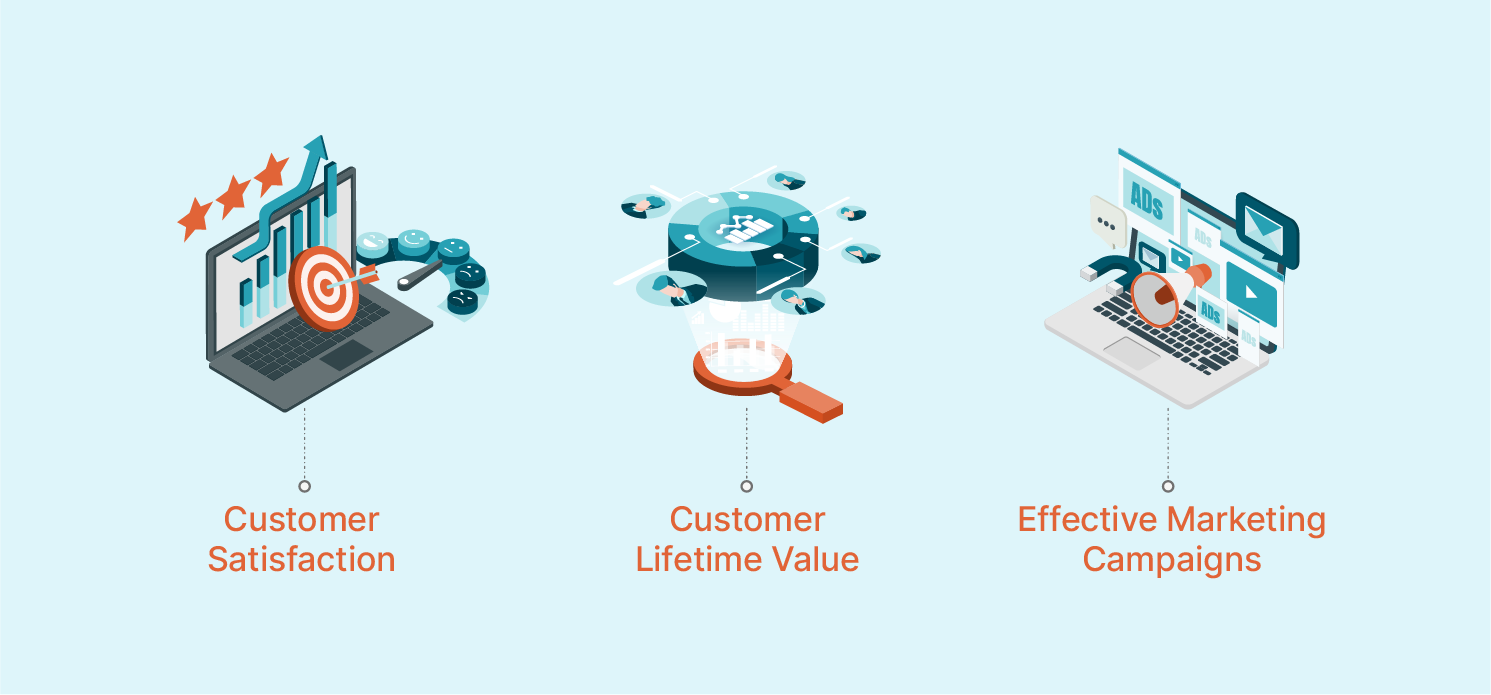
Higher Customer Satisfaction and Retention Rates
Segmentation allows you to understand what customers expect and prefer. When you personalize products, communication style, and offers, customers feel understood. This situation directly increases long-term loyalty and customer retention rates.
Increasing Customer Lifetime Value (CLV)
By identifying the groups that contribute most to revenue, you can shift your resources to these areas. Thanks to targeted retention strategies and personalized loyalty programs, customers shop more frequently and stay engaged with your brand longer.
More Efficient Marketing Campaigns
Creating messages that focus on the needs of specific groups, rather than general campaigns that appeal to everyone, ensures more efficient use of the marketing budget. This increases the return on ad spend (ROAS) and conversion rates.
Main Segmentation Types and Modern Approaches
For a successful strategy, customers are generally analyzed under four main headings. This categorization clarifies which value proposition the business should offer to which audience by breaking down complex customer data into more manageable pieces. Each heading offers a different perspective for understanding both the superficial characteristics and deep-seated purchasing motivations of the consumer.
Geographic and Demographic Segmentation
Geographic segmentation groups customers according to locations such as country, city, or climate. Demographic segmentation focuses on measurable data such as age, gender, income level, and occupation. These methods stand out as the easiest and most fundamental forms of grouping to access.
Psychographic and Behavioral Segmentation
Psychographic structure examines internal motivations such as values, personality, and lifestyle. Behavioral segmentation focuses on actual actions such as purchase history, frequency of use, and website interactions. Behavioral data, in particular, is considered the most powerful tool for predicting future purchasing trends.
While identifying the right customer segments and creating your strategy is the first step, delivering this message to your target audience is the real key to success. You can take advantage of professional press release distribution to reach large audiences with your new products or services shaped by segmentation insights. Media communication that appeals to the right audience through the right channels quickly increases both your brand's reputation and its visibility in the market.
Once you’ve defined your segments and shaped your strategic message, the next step is to distribute it effectively. You can submit press release to share your tailored announcements with relevant media and reach the right audiences based on your segmentation insights.
Implementation Steps for Customer Segmentation
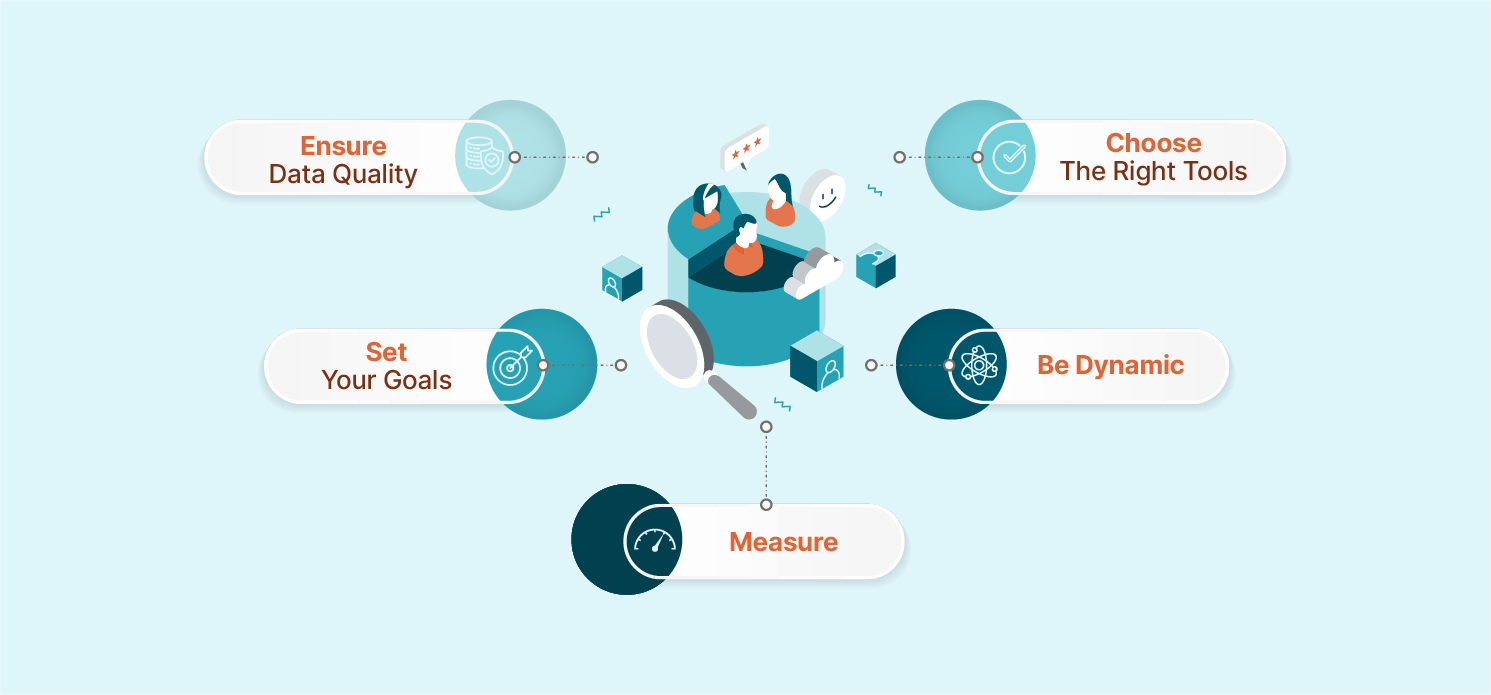
To successfully manage the segmentation process and achieve tangible results, you can follow the practical steps below. This checklist can help you transform your strategy from a plan on paper into an applicable business model.
Ensure Data Quality: Cleanse your data from errors and duplicates before performing segmentation.
Choose the Right Tools: While using Google Analytics for a start, turn to tools like Python, Tableau, or PowerBI for advanced analysis.
Define Your Goals: Clarify whether you are segmenting to acquire new customers or to retain existing ones.
Be Dynamic: Customer preferences are constantly changing; be sure to review your segments at regular intervals.
Measure Performance: Track the performance of campaigns regularly by setting specific KPIs for each segment.
Customer segmentation offers the key to providing personalized experiences and using resources efficiently in today's competitive market. A segmentation strategy supported by modern analytical tools and machine learning enables businesses not only to survive but to grow by increasing customer loyalty and profitability.
To announce these strategic growth moves to the world and create a strong resonance in your targeted segments, you can reach the right audiences by reviewing our press release packages.
Frequently Asked Questions
What is the difference between customer segmentation and market segmentation?
Market segmentation is an externally focused process aimed at understanding potential customers and the general market. Customer segmentation, on the other hand, focuses on optimizing existing customers who are already interacting with your brand. When the two methods are combined, it becomes easier both to reach new audiences and to retain the existing ones.
Is segmentation necessary for small businesses?
Yes, segmentation makes it possible for businesses with limited budgets to direct their resources to the most accurate audience. This strategy maximizes budget efficiency by preventing advertising spend on the wrong audiences. In this way, small-scale businesses can compete more easily with giant competitors in specific niche areas.
Which type of segmentation is the most effective?
The most effective type depends on the business's goals. However, behavioral segmentation usually yields the highest conversions. Since this method is based directly on actual user actions, it minimizes the margin of error. It allows you to build a strategy by analyzing what the customer actually does rather than predicting what they might do.
What does psychographic segmentation add to a brand?
Psychographic segmentation allows you to understand not just who your customers are, but why they prefer your products. It helps build a deeper emotional bond with the audience by focusing on data such as values, interests, and lifestyle. This depth significantly increases the brand's power to create community and long-term loyalty.
How often should segmentation data be updated?
Since customer habits and market dynamics change constantly, data needs to be checked at regular intervals. Segments that remain static can lose their relevance over time and lead to wrong strategies. Therefore, it is considered an ideal approach to review the performance of segments every quarter with the help of analytical tools.