Promote product launches, funding news, and innovations in 75+ countries by reaching top tech journalists and global publications.
Drive international attention to destinations, campaigns, and services by distributing news to relevant travel and lifestyle media worldwide.
Increase visibility of new products, campaigns, and brand stories by connecting with influential retail and consumer-focused media outlets.
Strengthen your crypto brand’s credibility through targeted PR in tech, finance, and blockchain media across global markets.
Expand your agency’s services with global PR distribution in 75+ countries, featuring guaranteed coverage, localized press releases, and white-label reporting for your clients.
How Press Releases Improve SEO After Google’s 2025 Updates
Google’s 2025 core updates introduced a new reality for SEO: authority now outweighs volume, and earned media signals matter more than ever. As Google prioritizes trustworthy sources, original reporting, and brand credibility, press release distribution has re-emerged as a critical ranking driver.
This guide explains how Google’s recent updates work, what changed between 2022–2025, and how press releases help brands strengthen E-E-A-T, earn high-quality backlinks, and improve search visibility.
How Google’s Algorithm Has Evolved
Before understanding why PR is more valuable today, it helps to look at how Google has gradually shifted toward quality and credibility.
A Short Timeline of Key Shifts
2000s: Keyword stuffing declines; relevance and content quality improve
2010–2012: Penguin & Panda penalize link spam and thin content
2013–2017: Semantic search and intent understanding take priority
2018–2021: E-A-T and page experience begin influencing rankings
2022–2025: Google aggressively reduces unoriginal, scaled or AI-generated content
Google’s direction is consistent: reward real information from real brands and reduce manipulation.
Google’s recent updates didn’t just “tighten the rules” they changed how websites must behave to stay competitive.
Between 2022 and 2025, Google rolled out major algorithmic shifts affecting how brands build visibility online. These updates targeted content quality, link integrity, and site reputation, effectively raising the bar for what counts as trustworthy information.
Major Update Themes Explained
Helpful Content Updates (2022–2025)
Google deprioritized:
Scaled, unoriginal content
Pages created to “rank,” not to help
Content without real expertise
Google rewarded:
Primary research
Information backed by real experience
Content created for users, not algorithms
This naturally aligns with press releases, which include quotes, data, and accountable authorship.
Link Spam Updates
Google refined systems that detect:
Purchased backlinks
Irrelevant guest posts
Large-scale link schemes
Backlinks created for SEO value rather than editorial relevance
PR distribution avoids these risks because journalists link for editorial reasons, not manipulation.
Site Reputation Abuse Enforcement (2024–2025)
Google targeted “parasite SEO,” where low-quality third-party content was published on high-authority domains to manipulate rankings.
This forced SEO and PR teams to prioritize:
Reputable publications
Real editorial oversight
Verified sources
Press coverage earned through legitimate distribution directly fits Google’s preferred model of authoritative, human-reviewed content.
2025 Core Updates
Google’s latest updates pushed the industry even further:
Unhelpful AI-generated content loses visibility
Anonymous authorship is devalued
Sites with inconsistent credibility lose ranking stability
Brands with measurable authority gain long-term visibility
What this means for brands
Being cited by trusted publications now matters more than publishing content on your own website. Press releases help you appear where authority already exists.
Why Google’s 2025 Updates Reward Press Releases
Press releases have always been a communications tool, but after Google’s updates, they now influence ranking signals more directly. This is not because the press release document ranks, but because the coverage generated from it strengthens all the signals Google wants to reward.
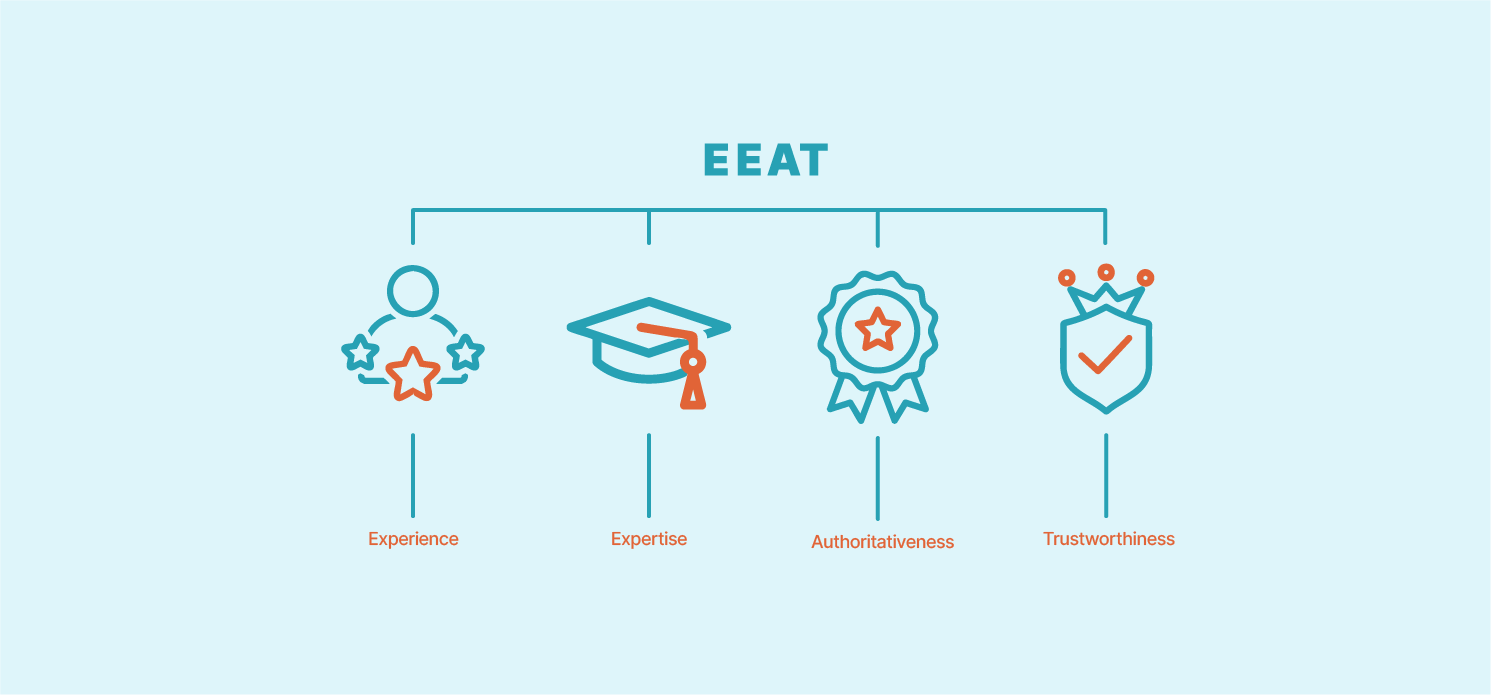
Press Releases Help Strengthen E-E-A-T
Google increasingly evaluates content based on:
Experience – first-hand knowledge
Expertise – competence in a topic
Authoritativeness – recognition from outsiders
Trustworthiness – accuracy and accountability
Press releases improve these signals because they place your brand in credible media environments.
Examples of E-E-A-T amplification
A quote from your CEO demonstrates firsthand experience
A data report proves expertise
Coverage by reputable outlets boosts authority
Fact-checked journalism increases trust
When these signals appear across multiple publications, your brand’s digital footprint becomes measurably stronger.
Not all backlinks are equal. Google highly values:
Editorial links
Contextually relevant links
Links that cite your work as a source
Press releases help you earn exactly those.
Why are journalist links powerful?
They come from domains with strong authority
They are given for editorial value, not manipulation
They support your brand’s entity recognition
They improve overall link structure
These are the types of backlinks that improve rankings sustainably.
Press Releases Improve Discovery and Brand Entity Understanding
Google builds a “knowledge graph” of brands. Press releases help by providing:
Clear descriptions of your brand
Updated facts about your products
Consistent messaging across news sites
Verified author names and organizations
Each press release strengthens the way search engines interpret and categorize your brand.
How Journalists Provide Backlinks That Improve SEO
Journalists don’t link because you ask, they link because your content improves their reporting. Understanding how journalists work helps brands create assets that naturally earn coverage and backlinks.
1. Share Newsworthy Information
Journalists link when you provide:
Market research
Industry insights
Product updates
Commentary on trends
Verified data with charts or comparisons
The more original the information, the higher the link probability.
Press releases help these signals because they place your brand in reputable publications. To plan and compare structured options based on reach and target markets, explore our press release distribution packages designed for different geographies and visibility goals.
2. Build a High-Quality Press Room
A clean newsroom increases trust and makes attribution easier.
Include:
Company background
Leadership bios
Photos
Logo files
Product fact sheets
A canonical source URL
This structure also improves crawlability and brand entity recognition.
3. Target the Right Journalists
Precision drives success.
Match your pitch to:
Journalists’ previous articles
Their industry beat
Search intent around your topic
Well-targeted pitches = higher coverage = stronger SEO signals.
4. Make Attribution Effortless
Provide:
A preferred link
Ready-to-use quotes
Visual assets
Data files
Reducing friction increases the odds of being referenced correctly.
5. Monitor Mentions and Request Fixes
When your brand is cited without a link, you can politely request:
“Would you mind adding the source link for accuracy?”
Over time, these small additions significantly strengthen domain authority.
How Press Release Distribution Supports SEO
Press release distribution connects your brand with the right editors, reporters, and media outlets. But more importantly, it creates SEO-friendly signals that support ranking improvements over time.
1. Amplifies E-E-A-T Through Editorial Coverage
Media outlets that accept your press release offer:
Organizational credibility
Audience trust
Strong domain authority
These signals transfer to your brand through mentions, quotes, and references.
2. Builds Stronger Discovery Paths for Search Engines
A well-structured press release improves:
Indexing
Understanding of your brand’s entity
How crawlers interpret your site’s information hierarchy
Elements that help include:
Schema markup
Internal links
Reporter kits
Consistent naming
This makes your brand easier for Google to categorize and surface.
3. Generates High-Quality Backlinks and Long-Term Authority
Press release distribution often results in:
Editorial backlinks
Data citations
Interviews
Syndicated pickup
Long-term referral traffic
These off-site signals reinforce ranking stability.
4. Aligns With Google’s People-First Direction
Press releases naturally include:
Real quotes
Verified statements
Company responsibility
Clear authorship
This aligns with what Google now prefers: useful, original, attributable content, not scaled filler.
A PR-First SEO Checklist for 2025
To fully benefit from Google’s new ranking systems, brands need a repeatable PR and SEO workflow. Here’s a checklist to integrate press releases into your 2025 strategy.
Create newsworthy stories based on real insights
Use data, first-hand expertise, or industry commentary.
Write SEO-aware press releases
Use natural keyword placement and structured formatting.
Build a press room that supports journalists
Make it easy for reporters to verify, cite, and link.
Track referral traffic, mentions, and backlinks
Measure which publications deliver rankings and engagement.
Prioritize reputable publications
High editorial standards = higher ranking value.
Avoid spam techniques entirely
Stay aligned with Google’s people-first guidance.
Turn PR Into an SEO Engine with B2Press
The brands winning in 2025 are not producing more content, they are producing better signals. Press release distribution is one of the fastest, safest, and most strategic ways to strengthen authority and improve search performance.
With a global media reach and experienced editorial team, B2Press helps brands:
Craft SEO-friendly press releases
Target the right journalists
Earn credible mentions and backlinks
Strengthen E-E-A-T signals
Improve organic search performance
When you’re ready to put this into practice and amplify your SEO signals with earned media, submit press release and start building authority that compounds over time.
Frequently asked questions:
Do press releases still help with SEO in 2025?
Yes. Press releases help indirectly by generating earned media coverage, authoritative brand mentions, and high-quality editorial backlinks – signals Google increasingly rewards after the 2025 updates.
How do Google’s 2025 updates change the value of press releases?
Google now prioritizes credible sources, original information, and accountable authorship. Press releases support these criteria by placing your brand in reputable publications that enhance E-E-A-T and overall authority.
Do backlinks from news websites improve rankings?
Yes. Editorial backlinks from trusted news outlets are among the strongest authority signals. They improve your site’s trust profile, strengthen entity understanding, and support long-term ranking stability.
What type of press releases perform best for SEO?
Data-driven announcements, research studies, product updates, expert commentary, and industry insights perform best because journalists are more likely to cite and link to them.
Can press releases replace traditional link-building?
Press releases do not replace link-building, but they provide a safer and higher-quality alternative. Earned media links are natural, editorial, and fully aligned with Google’s guidelines – unlike many manufactured link-building tactics.
How often should brands distribute press releases for SEO impact?
Consistency matters more than frequency. Brands that publish newsworthy updates every 1–2 months build stronger authority signals over time and benefit from cumulative media coverage.
Do syndicated press release links count for SEO?
Syndication links matter less, but the earned coverage that results from a strong press release – interviews, citations, feature articles – provides the real SEO value.
How can B2Press help improve SEO through press releases?
B2Press helps brands craft SEO-friendly releases, reach relevant journalists, secure credible media coverage, and earn editorial backlinks that strengthen rankings under Google’s 2025 updates.