Promote product launches, funding news, and innovations in 75+ countries by reaching top tech journalists and global publications.
Drive international attention to destinations, campaigns, and services by distributing news to relevant travel and lifestyle media worldwide.
Increase visibility of new products, campaigns, and brand stories by connecting with influential retail and consumer-focused media outlets.
Strengthen your crypto brand’s credibility through targeted PR in tech, finance, and blockchain media across global markets.
Expand your agency’s services with global PR distribution in 75+ countries, featuring guaranteed coverage, localized press releases, and white-label reporting for your clients.
What Is the Role of a PR Team? Public Relations and Its Core Functions
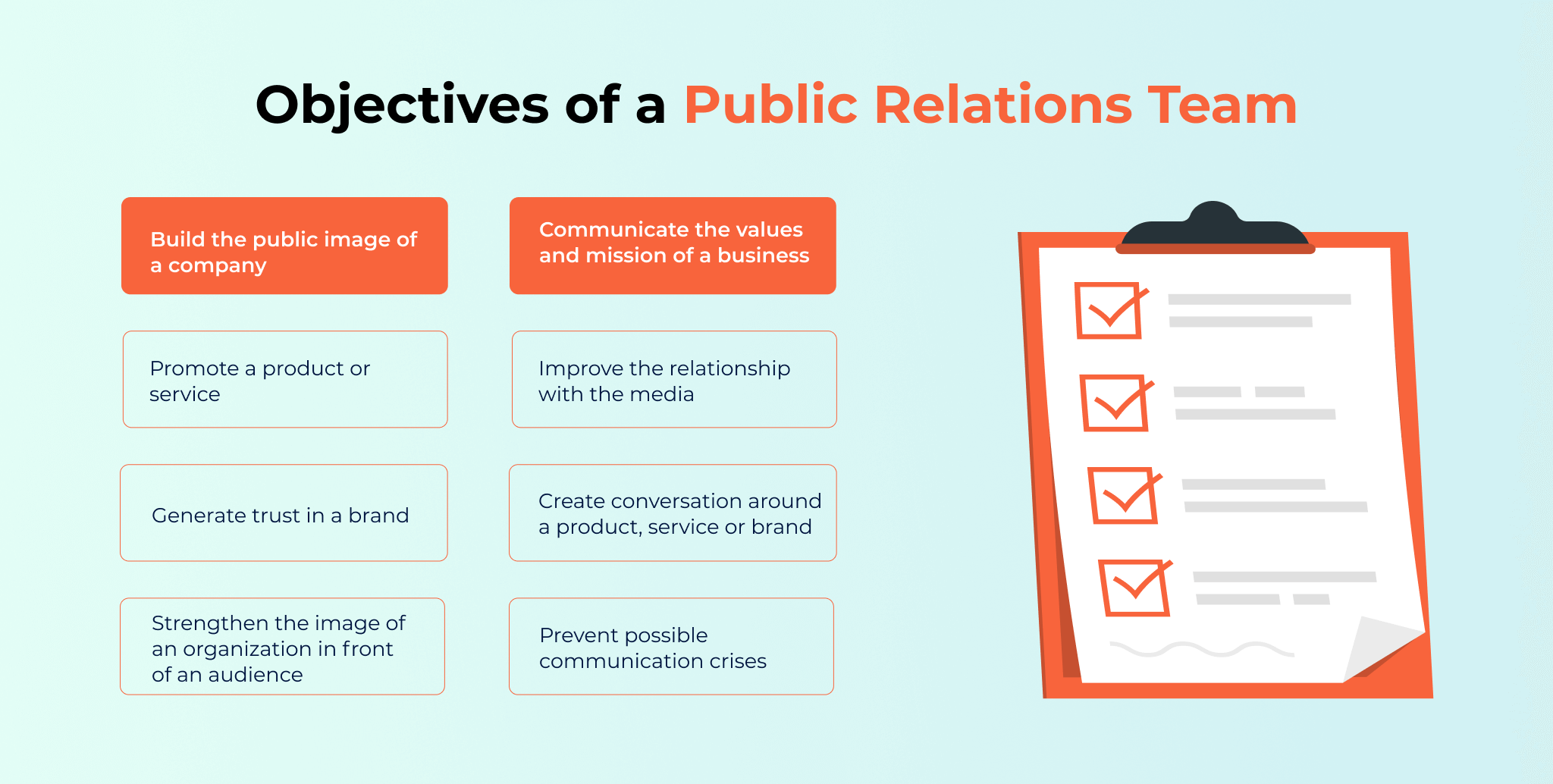
A public relations team represents a strategic structure that manages how brands communicate with their target audiences, shapes reputation, and builds trust. In today’s business environment, PR teams do more than create visibility; they influence how a brand is perceived, how it is discussed, and how it positions itself during times of uncertainty. This article outlines the role of a PR team, its core responsibilities, and why it has become indispensable for organizations, using a clear and structured approach.
As companies grow, they communicate with a broader range of stakeholders, and the impact of their messages expands. This also increases the risk that communication mistakes spread quickly and reputational threats escalate. PR teams step in at this point to place communication within a planned, consistent, and sustainable framework.
What Is a PR Team and What Does It Do?
A public relations team is positioned as a professional unit responsible for managing an organization’s communication with the public, the media, and other stakeholders. This team determines how the brand presents itself, which messages are shared, when they are delivered, and through which channels. The goal is not short-term visibility, but the long-term building of trust and relationships.
Coordinating Corporate Communication
PR teams ensure that all internal and external messages are communicated within the same framework. Alignment in tone and language across different departments becomes possible through this coordination. As a result, the brand presents a consistent and trustworthy identity to its target audiences.
Managing Relationships With Stakeholders
Public relations is not limited to media relations alone. Different stakeholder groups, such as customers, investors, business partners, and the wider public, are also part of this process. PR teams shape communication by understanding the expectations of these groups.
To better understand the role and responsibilities of PR teams, it is helpful to first look at what PR actually represents and the foundations on which it is built. Public relations is viewed as a comprehensive communication discipline that goes far beyond media visibility and manages the relationship between organizations and their audiences. For those who want to explore this framework in greater depth, our content titled “What Is PR? Essential Information About Public Relations” examines the fundamentals of the concept and its position in today’s communication landscape.
Core Responsibilities of a PR Team
The day-to-day work of PR teams focuses on protecting and strengthening brand perception. These responsibilities include proactive communication as well as preparation for potential risks. Effective PR management ensures that the brand is represented in a controlled and consistent manner under all circumstances.
Media Relations Management
PR teams build long-term relationships with journalists and editors. These relationships ensure that brand stories are shared at the right time and in the right context. Media relations directly influence a brand’s visibility and credibility in the public eye.
Storytelling and Message Development
What a brand stands for becomes clear through the narratives developed by PR teams. Identifying newsworthy angles and aligning messages with brand values are central to this process. Strong storytelling increases memorability and impact.
Reputation and Crisis Management
PR teams regularly monitor conversations about the brand and stay prepared for potential risks. During crises, fast, transparent, and balanced communication helps prevent reputational damage. This approach supports the brand’s long-term credibility.
The Role of the PR Team in Strategic Communication
PR teams manage not only what a brand says, but also when and how it speaks. This strategic role ensures that communication goes beyond daily operations. PR teams establish a communication approach aligned with the organization’s overall business objectives.
Proactive Communication and Agenda Management
PR teams do not merely react to developments; they plan ahead and manage communication proactively. This allows brands to tell their own stories at the right time. Planned communication helps reduce uncertainty.
Building Long-Term Trust
Strategic communication is built on continuity rather than one-off messages. PR teams establish trust with target audiences by delivering consistent messaging over time. This trust helps brands remain strong even during challenging periods.
In-House PR Team or Outsourcing?
There is no single correct model for PR management. A company’s scale, markets, and communication intensity shape this decision. For many brands, flexible and balanced solutions stand out.
Advantages of In-House PR Teams
In-house teams know the brand closely and can manage daily communication quickly. Coordination between departments is easier. This structure offers advantages for communication processes that require constant oversight.
Outsourcing and Hybrid Models
Outsourcing provides brands with access to broader media networks and expertise across different markets. Platforms like B2Press support this process through global distribution and verified media access. Hybrid models combine internal knowledge with external expertise.
To support this kind of extended outreach, PR professionals can evaluate tailored press release distribution packages that align with their target markets and communication goals.
Key Considerations for Effective PR Management
Effective public relations management does not rely on random actions, but on clear objectives and structured processes. When the role and responsibilities of PR teams are clearly defined, communication activities become more measurable and sustainable. The following points summarize the key elements to consider when building a strong PR approach.
Clarify PR objectives and priorities
Manage media relations with a long-term perspective
Build a consistent and clear brand narrative
Prepare communication scenarios for potential crises
Support processes with professional tools and platforms
One of the most tangible outputs of public relations activities is press releases and how they are distributed. For PR teams, press release distribution is not simply about sharing an announcement; it is about positioning the brand message in the right context, through the right media channels, and at the right time. For this reason, distribution is closely linked to the strategic planning, media relations, and reputation management functions of public relations. From a PR perspective, effective press release distribution increases visibility while also supporting credibility and the continuity of media relationships.
Ready to take this beyond planning and into execution? You can submit press release and begin distributing your news to the right media outlets with transparent control and reporting.
Public relations teams ensure that brands are not only visible, but also credible and consistent in their communication. This structure, spanning from media relations to reputation management, plays a key role in protecting long-term brand value. Companies that invest in a strong PR function build a solid foundation for sustainable growth in the digital age.
Frequently Asked Questions
What is a PR team?
A PR team is a professional structure that manages an organization’s communication with the public, media, and stakeholders. It monitors how the brand is perceived and strategically shapes that perception. It ensures that corporate messages are delivered in a consistent and credible manner. It also manages critical processes such as reputation management and crisis communication. For this reason, PR teams are considered one of the core pillars of a brand’s long-term communication strength.
What does a PR team do?
PR teams manage media relations, develop brand stories, and implement communication strategies. They ensure that important announcements are published through the right channels via press releases. They regularly monitor public perception and take action when necessary. During crises, they coordinate communication to limit reputational damage. All of these efforts support the brand’s credibility and visibility.
Why are media relations important?
Media relations make it possible for brands to share their messages through trusted sources. Long-term relationships with journalists ensure that news is conveyed in the correct context. This allows the brand to be represented in a balanced and credible way in the public sphere. Media visibility increases brand awareness and authority. It also facilitates effective communication during crisis periods.
How do PR teams manage crises?
PR teams continuously monitor conversations around the brand to identify potential risks early. During crises, they produce fast, transparent, and controlled messaging. They centralize communication to prevent misunderstandings from escalating. They maintain regular information flow with media and stakeholders. This approach helps protect brand reputation and limit loss of trust.
Should companies outsource PR services?
This decision depends on the company’s scale and communication needs. In-house teams can manage daily communication more quickly. Outsourcing offers access to broader media networks and market expertise. For many brands, hybrid models provide a balanced solution. This makes it possible to benefit from both internal knowledge and external expertise.